
Dementia is a devastating diagnosis for both the patient and the family. It’s also slow-moving, which means there may be things you can do to slow its progression. Beyond medication, holistic approaches to dementia care may improve how a dementia patient functions in the early stages of the disease as well as improve their overall quality of life.
What Is Holistic Dementia Care?
Holistic care in medicine is when a provider treats the whole person, not just a single disease or symptom. So, while it includes treating the physical concerns caused by a medical condition, it also incorporates emotional, mental, social, and spiritual aspects that can help a person recover, heal, and live a healthy life.
Holistic dementia care takes a similar approach. Instead of just managing the symptoms and progression of dementia, the care team looks at the whole person to improve their quality of life without medications. They may incorporate gentle exercises to improve physical mobility while encouraging participation in music or art therapy to support cognitive functioning.
Do Holistic Approaches to Dementia Care Work?
Research on holistic approaches to dementia care is small and somewhat limited. However, some studies indicate that holistic approaches can provide short-term improvement for dementia patients.
What Does Holistic Dementia Care Include?
Holistic approaches to dementia care include a wide range of therapeutic approaches that support a person’s cognition and functioning. It can include everything from the physical environment a dementia patient lives in to physical exercise and nutrition that supports a person’s overall well-being.
Communication
Because most people with dementia have trouble remembering and processing information, changing how someone communicates with a dementia patient improves how that patient responds and functions in daily life.
Communication is often simple and brief so it’s easy to understand. It’s also positive, meaning staff will validate a person’s emotions instead of arguing with them about their frustrations and anger, then redirecting them away from whatever is upsetting.
These changes apply to both verbal and nonverbal communications. For example, instead of speaking with crossed arms, someone may drop their arms to their sides to create a more neutral and open stance, instead of one that appears threatening, dismissive, or aggressive.

Nutrition
Another core component of holistic dementia care is nutrition, specifically avoiding malnutrition. As dementia progresses, people may have problems chewing and swallowing, leading them to eat less. Many facilities will encourage patients to eat a diet that emphasizes healthy fats, lean proteins, and other “superfoods” like blueberries to support brain health, while limiting sugar, sodium, and processed foods.
Physical Activity
Many dementia patients are encouraged to engage in physical activity because regular movement improves blood flow to the brain while improving sleep and preserving mobility.
A study of 102 older adults with some form of dementia found that patients who engaged in regular physical activity had better cognition and brain function than those who did not regularly exercise. What’s more, regular activity and exercise helped the participants increase their muscle mass, which, in turn, improved their overall quality of life.
Social Interaction
Social interaction can have an extremely positive impact on people with dementia. A study of 193 dementia residents in a nursing home gave participants a number of social activities to engage in, like doing puzzles, playing with pets, or talking with other people.
The activities that people were most interested in were the live social interactions — particularly with people and pets. Even among those with severe dementia, live social interaction was most important.
Environment
While most forms of holistic dementia care focus on the physical and emotional needs of the individual, a person’s environment also supports a person’s overall function and is a critical part of holistic dementia care.
Any environment for older individuals needs to be safe, comfortable, and inclusive. However, for dementia patients, that environment should also be nonjudgmental and calm. So, in addition to how the staff behaves, the physical layout of the facility is designed so residents don’t get confused and then lost. Paths are open and easy to see. The lighting is bright but without harsh glares and shadows.
Many facilities also work to keep noise levels low so residents aren’t irritated by annoying or persistent sounds. Safe outdoor areas allow residents to enjoy nature without the risk of wandering off. Likewise, doors are usually locked to keep residents secure.
Sleep Schedule
One of the more common features of dementia is a fragmented sleep schedule. As dementia progresses, it reduces melatonin and the body’s ability to reach deep sleep, which can show up as:
- Insomnia
- Daytime sleepiness
- Reduced cognitive function
- Falling
- Agitation or hostility
Good sleep hygiene is a holistic approach to managing this fragmented sleep schedule. For example, limiting naps and reducing exposure to artificial light can make it more likely someone goes to sleep at a reasonable hour and stays asleep. Likewise, physical activity and avoiding heavy meals right before bedtime can also help.
Creative Pursuits
In addition to physical and social needs, holistic dementia care also emphasizes creative pursuits. Music therapy, like listening to familiar songs or singing along, can calm patients, while painting, drawing, or sculpting let people express themselves through abstract shapes and colors instead of words.
Mindy-Body Connection
A holistic approach to dementia care also focuses on the mind-body connection. A meta-analysis of studies that measured the impact of yoga, tai chi, and meditation may be effective methods for improving the cognitive and physical function of dementia patients. Though more research is needed, these mind-body approaches may help stabilize symptoms and delay the progression of dementia.

Cognitive Stimulation Therapy (CST)
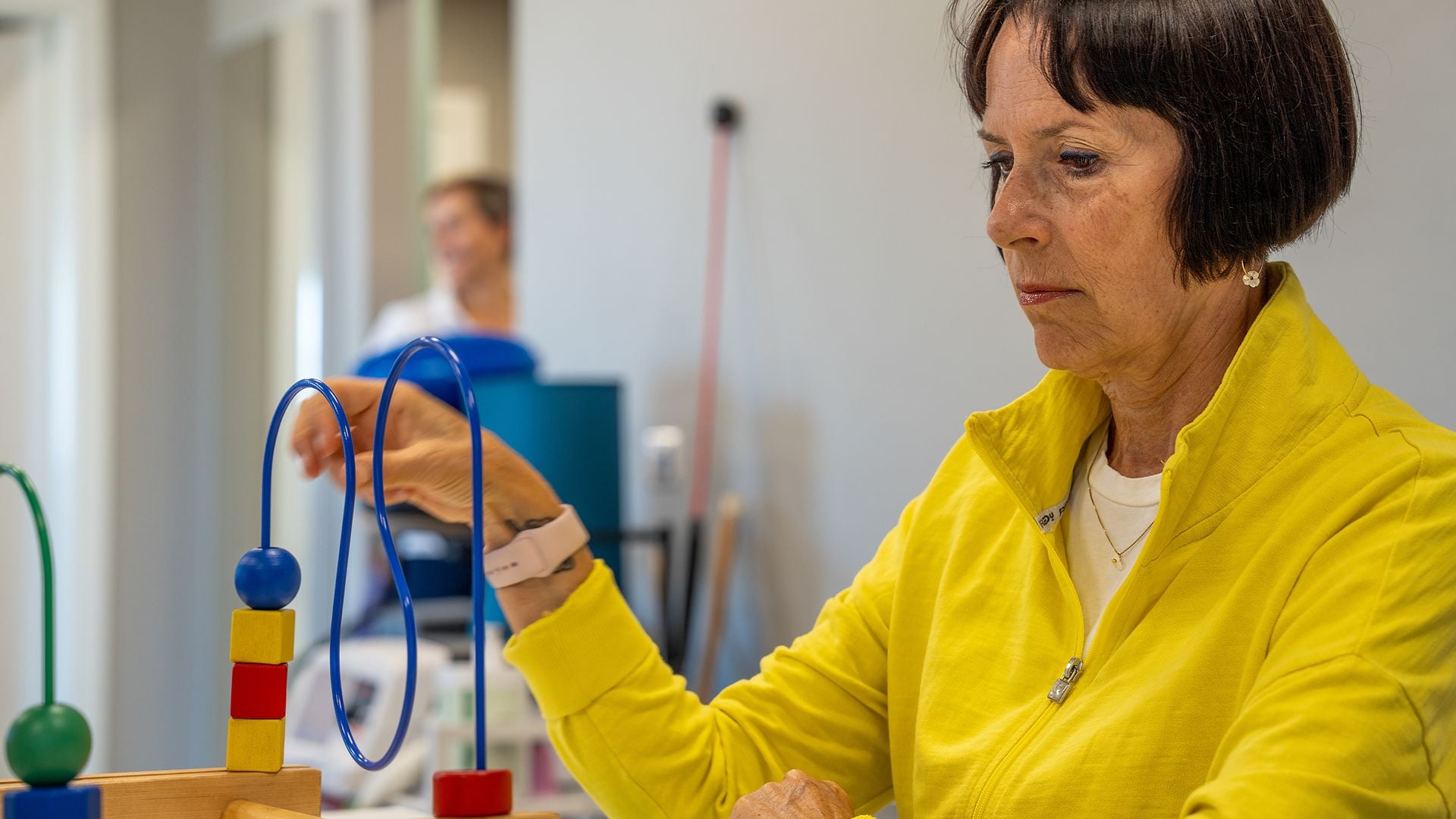
Cognitive stimulation therapy (CST) is a short-term therapy specifically for people with mild to moderate dementia. People work through a series of themed activities that promote learning and engagement. They may do puzzles, play instruments, or have group discussions guided by a facilitator.
While more research is necessary, small studies indicate CST may be helpful in improving quality of life, reducing negative behaviors, and improving cognitive abilities.
Reminiscence Therapy
Reminiscence therapy helps people remember and talk about their past by engaging all five senses. For example, a favorite song or familiar scent may trigger forgotten memories, while a photograph may help someone remember key details from that moment.
Because long-term memories often last longer than short-term memories, reminiscence therapy can help dementia patients feel more connected to the present. They’re able to share information and stories about their past, allowing those in their present to understand them better.
Caring, Safe Communities
While there’s no cure for dementia, there are steps a patient, their family, and the long-term care community they may live in can take to slow its progression. Holistic approaches are one of those tools. More research is needed, but they can go a long way toward making a dementia patient feel safe, cared for, and secure.
At Longhouse Assisted Living, we understand dementia care. Our homes are designed with security in mind, without sacrificing warmth and communal living. All of our staff are specially trained to ensure dementia patients feel safe, understood, and supported, while providing them with the care they need as their dementia progresses.
Contact us today to tour a Longhouse home and see how we can provide the care your loved one needs.