
Long-term care is an umbrella term for the health care and personal care services someone needs as they age. While some people need very little assistance and can continue to live independently, other people need more supportive services as they age and may benefit from moving to a long-term care facility.
But not all long-term care options are the same. Some provide minimal support while others provide the full spectrum of services. Here’s everything you need to know about long-term care options in Bothell, Washington.
What Is Long-Term Care?
Long-term care describes the services someone needs as they age and includes everything from personal care services to health care services and everything in between. In most cases, the focus is on personal care, which includes things like basic tasks (eating, bathing, dressing) and helping around the house.
While many people associate long-term care with a facility, the reality is that long-term care often starts as at-home care and is provided by friends and family. This informal long-term care is often supplemented by more formal long-term care, like a home health aide that provides some medical support.
Why Would Someone Go to a Long-Term Care Facility?
In general, there are two reasons someone goes to a long-term care facility.
The first reason is a sudden health crisis, like a heart attack or stroke. Even mild events mean rehabilitation and recovery, and often, long-term care is the best place for that. The second, and generally more common reason people go to long-term care, is that they can no longer live independently. Even if they’re still cognitively sharp, they may be frail or unable to drive, making day-to-day tasks difficult to accomplish, and their informal care may no longer provide enough support.
There’s a third reason people go to long-term care, and that’s when they enter a long-term care facility when they’re still healthy and independent. Often these people are planning for the future, either because they anticipate needing additional nursing and personal services in the future or don’t have an extensive informal network that can provide them with the care and services they may need as they age.

What Kind of Long-Term Care Options Are in Bothell, Washington?
In Washington, there are several types of long-term residential care options. Those are:
- Nursing homes
- Adult family homes
- Assisted living facilities and memory care facilities
- Retirement communities, sometimes called independent living facilities
- Continuing care retirement communities
Each of these long-term care options provides a different level of service, often based on how independent the resident is. It’s important to note that not all of these types of facilities are licensed. That doesn’t mean they provide a lesser level of care. All it means is that if you or your loved one uses Medicaid (state funds) to pay for long-term care, you must be in a licensed facility.
Nursing Homes
Nursing homes are a licensed long-term care option. These facilities provide round-the-clock skilled nursing care and other types of supervision. A resident can expect to receive:
- Nursing, medical, and personal care services
- Physical therapy (if needed)
- Dietary management and services
- Organized activities
- Social services
- Room
- Board
- Laundry
- Housekeeping services
While some people choose a nursing home for their long-term needs, nursing homes can also be used for short-term stays. For example, after a complex surgery, someone may move to nursing care to get the level of support they need post-surgery and during rehabilitation. Once they’ve recovered enough to be more independent, they leave nursing care and return home or to wherever they live.
Adult Family Homes
Washington State allows between two and six adults to live together in a licensed adult family home. They live in a regular neighborhood home with staff on duty 24 hours a day. Most adult family homes provide:
- Room
- Board
- Laundry
- Housekeeping services
- Organized activities
Adult family homes also provide personal services and nursing care, but the level depends on the facility and needs of the resident. Some adult family homes may require the resident to transfer to a nursing home or skilled nursing facility if their condition worsens.
Assisted Living Facilities
Assisted living facilities are best described as a cross between nursing care and independent living. Residents live in a community-based setting that provides:
- Room
- Board
- Laundry
- Housekeeping services
Nursing care and personal care services are also provided at an appropriate level for each resident. For example, one resident may only need help putting away groceries while another may need assistance getting dressed. Assisted living provides all of these levels of care and, depending on the particular program, may even have on-site nursing care, so couples can stay close together.
These licensed facilities are also unique in that a resident can move up and down the care spectrum as needed. For example, a resident may come in completely independent and require very little help. But then they break their leg and require far more nursing and personal care than before. As they recover, they move back to independent living, relying less on the personal and nursing supports, returning to independent living.
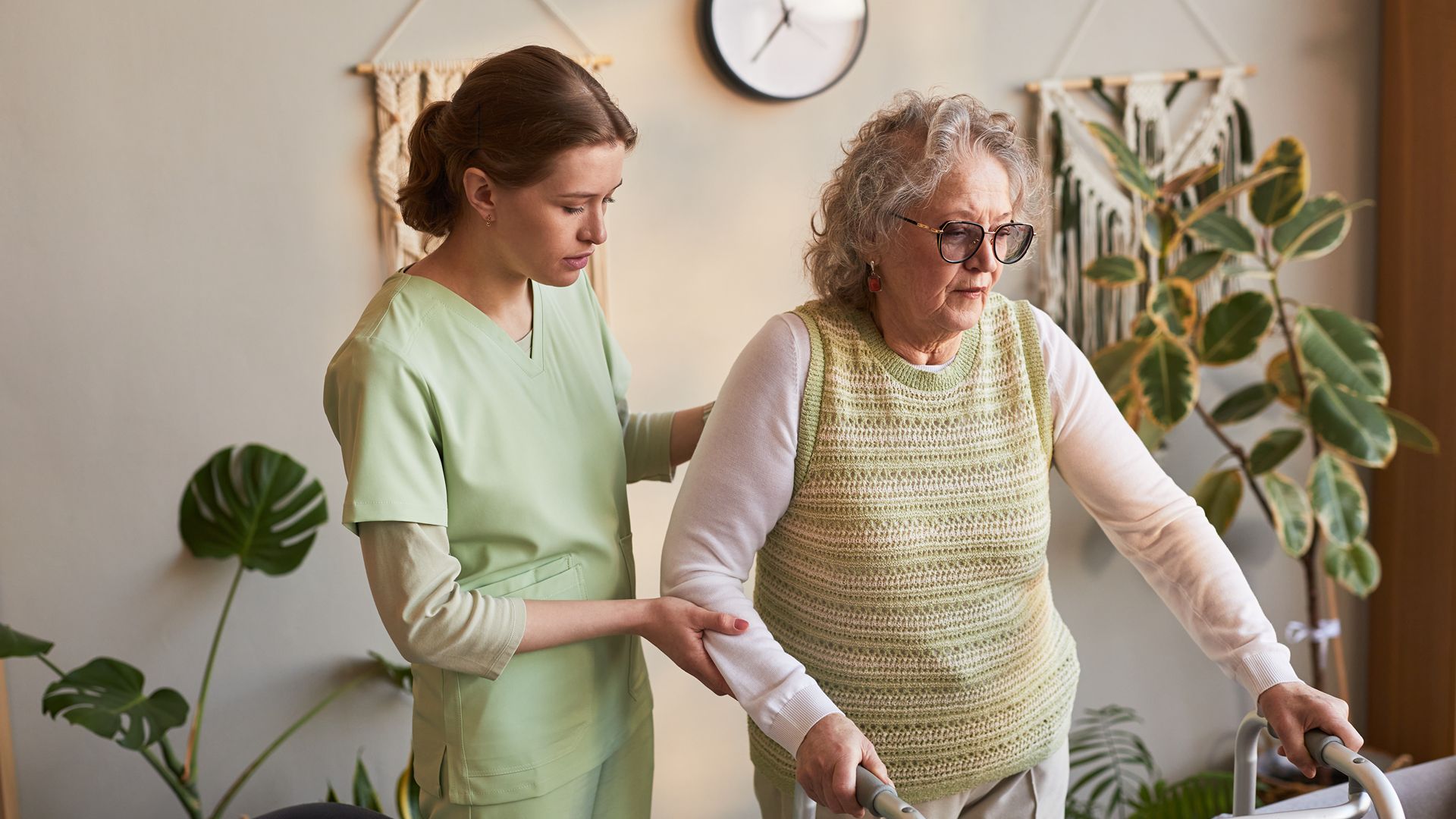
Memory Care Facilities
Memory care is a specialized form of long-term care designed for people with Alzheimer’s or dementia. While memory care is often part of a nursing home or assisted living facility, it can run as a stand-alone facility.
Unlike other long-term care facilities, memory care facilities are secure. They often have locked doors, alarms, and outdoor spaces are enclosed to prevent residents from wandering. Memory care also tends to stick to more structured routines, giving residents a predictable schedule to reduce stress and confusion. Staff are specialized and trained to handle the unique needs of this population.
As of July 1, 2026, memory care facilities in Washington State must be licensed as an assisted living facility.
Retirement Communities
Retirement communities, sometimes called independent living facilities, are communities that only house older adults (usually 55 and up). Like most long-term care options, they provide independent living and social programming for all residents, and usually handle exterior maintenance (like lawn care).
What they do not provide is on-site nursing care or personal care services. Therefore, they are not licensed by the state.
Continuing Care Retirement Community
Continuing care retirement communities (CCRC) offer everything from independent living to nursing home care but are not licensed in Washington State. People often start in independent living and as their needs change, move to a higher level of care.
Most people sign a long-term contract that covers everything they’ll need from housing to yard care to nursing care. There’s usually an entrance fee as well as a monthly fee that may vary depending on the types of services you receive and if you’re a renter or owner.
What Long-Term Care Option Is Best?
Because every individual is unique, best is a relative term. While some people do just fine in independent living, others need more structured or advanced care that independent living or even assisted living can provide. When a couple is considering long-term care, the needs change. One person may need far more support than the other can provide, while both people may require a lot of supportive services.
What’s important is finding a place you or your loved one feels comfortable and safe. Trusting the staff is paramount, as well as ensuring they can provide the level of necessary care now and in the future.
Longhouse Assisted Living Households in Bothell, Washington
Longhouse Assisted Living Households is a long-term care option in Bothell, Washington. Our small homes are uniquely designed to foster community and connection. Residents live in a home-like setting that helps them age in place, letting them stay with the friends and caregivers they’ve come to know and rely on.
Contact us today and schedule a tour. We’ll show you what makes Longhouse different and how it can support you or your loved one as your needs change.