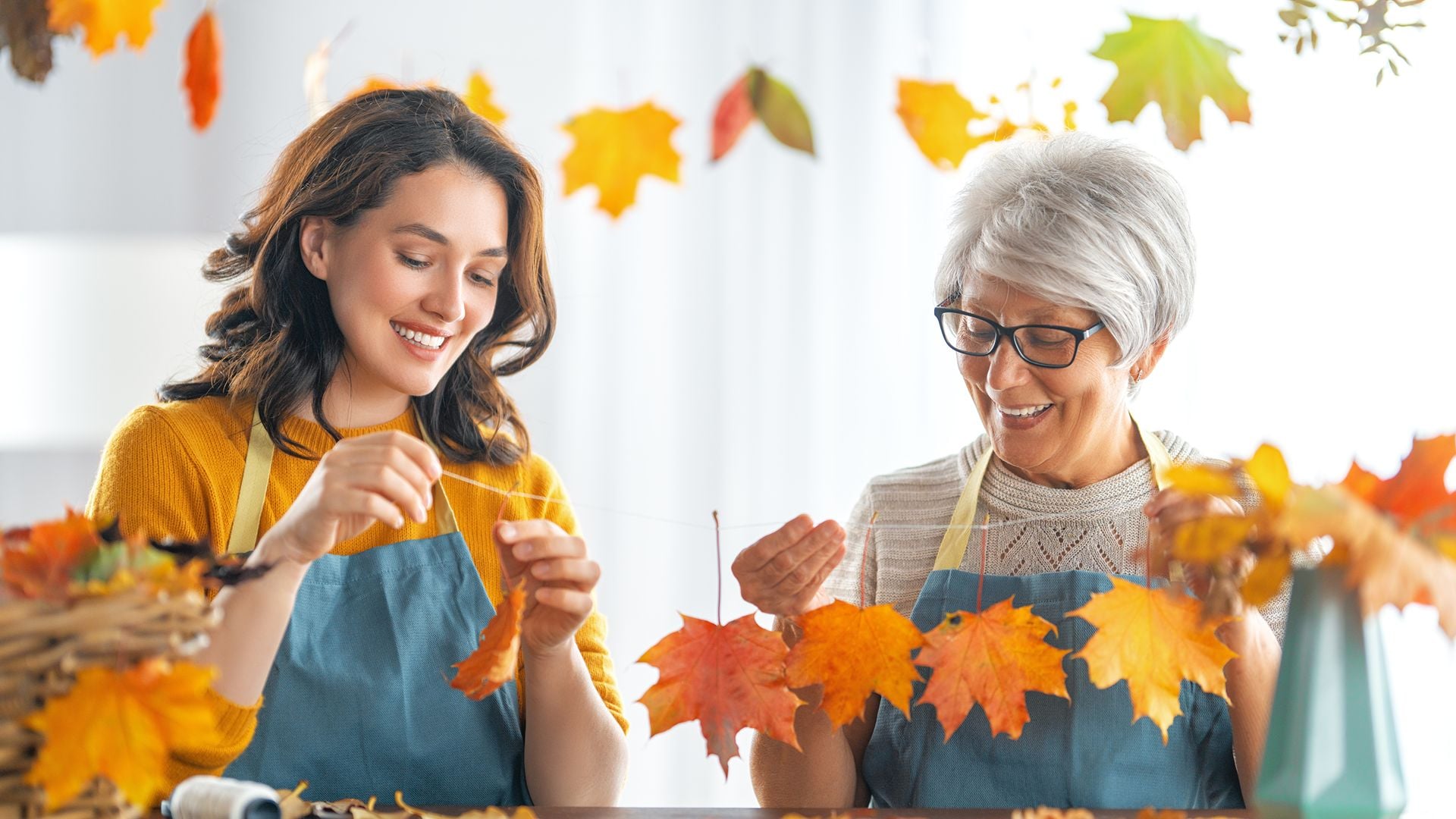
In his classic tune “It Was a Very Good Year,” Frank Sinatra crooned about the pleasures of living “in the autumn of the year.” Though Old Blue Eyes didn’t include arts and crafts or baking pumpkin bread in his song, these are still fun fall activities for people of all ages — even seniors who might be old enough to have purchased Sinatra records when they were first released.
For seniors living with Alzheimer’s and dementia, “the autumn of the year” can still be a time of great enjoyment, spent exploring seasonal activities with caregivers and family members. Fall activities don’t have to be complicated to be meaningful. Sitting outside to observe the changing leaves, making a decoration, or snacking on all things pumpkin are easy ways for a senior with dementia to participate in everyday life.
When you’re thinking of fun ways to spend autumn days with a loved one who has dementia, consider their interests, abilities, and comfort. But there are a few common activities to try that might just become new seasonal favorites.
What Is a Good Activity For Someone With Dementia?
Just because someone has been diagnosed with dementia doesn’t mean they’ve lost their interest in life or the things they’ve always enjoyed. The right activity for someone with dementia can tap into past hobbies and interests or simply give them an opportunity to spend time with new friends and loved ones.
Caregivers and family members should move forward with patience, remembering that these fall activities are more about spending quality time than making a perfect craft or the best pumpkin loaf ever. Here are some tips to set expectations and ensure everyone has a good time.
Start With the Person
Perhaps your grandfather was known for his gorgeous fall chrysanthemums. Or your mother was no stranger to the local library’s book club. Whether your loved one was fond of gardening, reading, crafting, spending time outside, or a combination of activities — who can argue against enjoying a good book outside on a crisp autumn afternoon? — there are likely safe ways for them to re-engage with their favorite hobbies.
Activities don’t necessarily need to be designed specifically for people with dementia. You and your family member are more likely to have fun if you plan activities around their actual interests. For instance, even if your grandfather can’t get on his hands and knees to weed anymore, he can still help you decide between yellow and red mums or pack dirt around a pot.
Focus on Participation, Not Perfection
When you’re used to seeing your family member with dementia excel at an activity in the past, watching them move at a different pace or participation level can be challenging. Remember, the goal is for your loved one to have a good time, not finish a project or follow every step correctly.
Let’s say your dad is helping with a recipe. Even if he can’t safely put the batch of pumpkin muffins in the oven himself, he might still enjoy stirring ingredients or adding toppings. Likewise, your mother might find it worthwhile to color Thanksgiving crafts with her grandkids, regardless of whether she finishes that turkey in a Pilgrim hat. Simply participating can bring them pleasure and provide an opportunity for connection.
Be Ready to Adapt
Dementia affects people differently, and someone’s abilities can change over time. An activity that works well for your family member one day may feel frustrating or tiring another day.
The good news is that it’s possible to simplify, shorten, or otherwise adapt activities for someone who needs more physical assistance or time to complete a task. Many memory care communities have activities directors and assistants who know how to make necessary adjustments so people with dementia can participate comfortably.
10 Fall Activities for Seniors With Dementia
With its milder weather, beautiful natural colors, and no shortage of sweet treats, fall can be a great time for seniors with dementia to enjoy activities with their family, friends, and caregivers.
Activities that encourage reminiscence, movement, creativity, or simply a positive mood can contribute to a senior’s quality of life. It’s why many families prioritize finding a memory care community with a robust activities schedule, outdoor space, and caregivers who believe that fun should be a part of care.
1. Take a Fall Walk
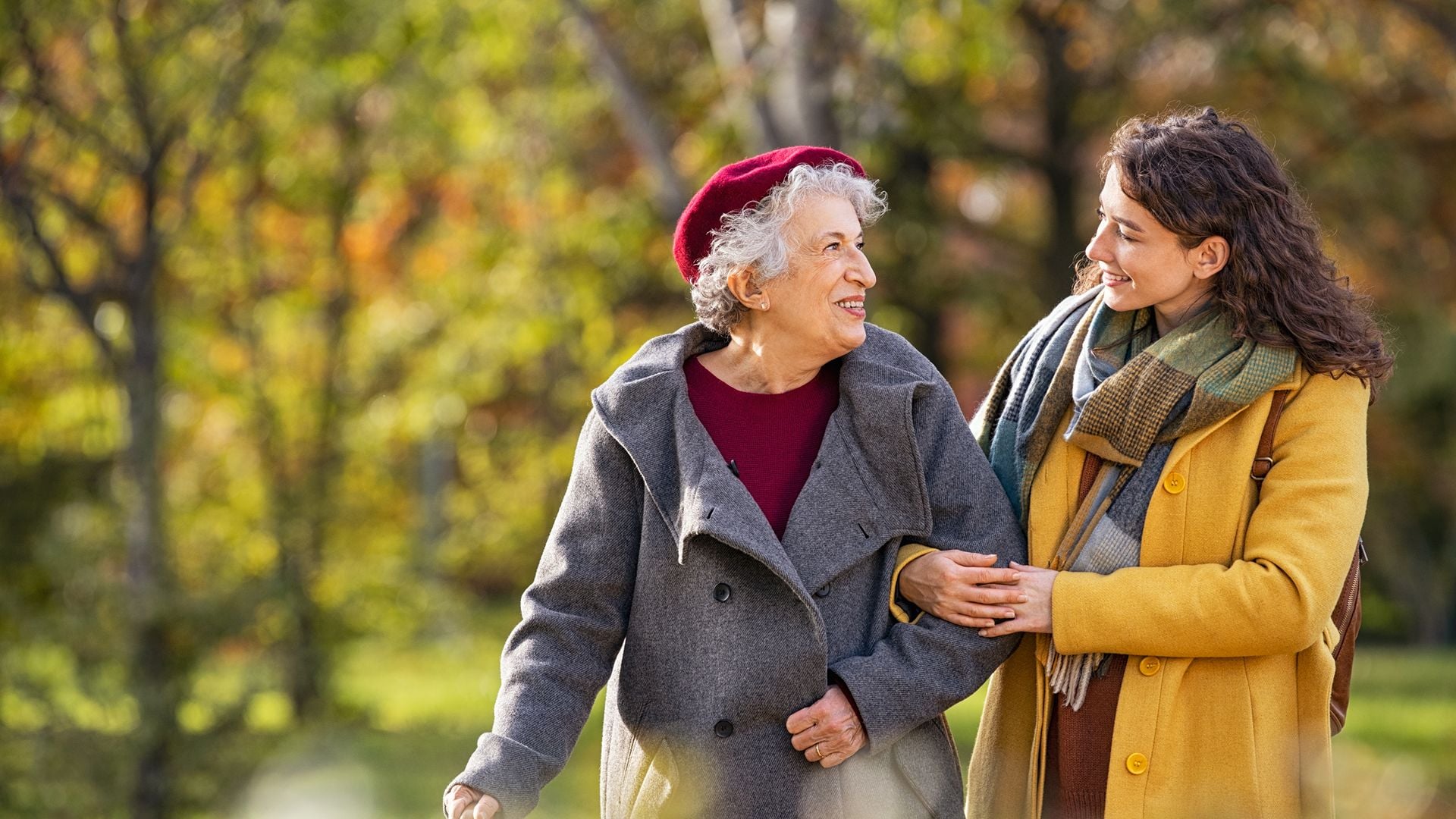
Even a brief walk can let seniors enjoy the fall landscape as they look at the changing leaves, listen for birds, notice the cooler air, or talk about what they see. Physical activity can be a key part of holistic dementia care. Caregivers can adapt this activity for people who have difficulty walking long distances, whether that means taking a shorter route or finding another way to enjoy the outdoors.
2. Help With Fall Decorating
Decorating for fall can give someone a chance to flex their creative muscles. Since seniors with dementia can have different levels of ability, this activity gives them plenty of options based on what they feel up to. They might choose between coloring decorations, arranging artificial leaves into a centerpiece, or making a paper turkey for Thanksgiving.
3. Bake a Favorite Fall Recipe
Fall is a natural time to bring out favorite recipes for apple crisp, pumpkin bread, cookies, muffins, or other seasonal treats.
Someone who can no longer safely prepare a recipe independently may still enjoy helping with individual steps. Caregivers can assist them with safer tasks like stirring, pouring, measuring, or adding toppings while handling parts of the process that involve ovens, knives, or hot surfaces.
4. Spend Time in the Garden
Gardening doesn’t have to end when summer does. Depending on the weather and the person’s abilities, they might be able to take on fall gardening tasks like watering plants, planting bulbs, gathering leaves, arranging potted plants, or simply spending time in the garden.
For someone who has always enjoyed gardening, these familiar tasks may be more meaningful than an activity that feels unfamiliar or overly structured.
5. Listen to Favorite Music
Music can be a meaningful activity at any time of year, but your loved one may associate certain cherished songs with the season. Some senior living communities devote special time to playing music residents know and enjoy.
Favorite songs can provide opportunities to sing along, clap, move to the music, or simply listen. Music can also create opportunities for conversation when a particular song brings up memories.
6. Look Through Family Photos
Fall photographs from previous years can give seniors a natural opportunity for conversation and connection. Look through pictures of family gatherings, vacations, holidays, or other autumn memories.
Try not to turn the activity into a test of memory. Instead of asking someone to identify every person or remember exactly when a photo was taken, make observations and allow them to respond if they want to.
7. Create a Fall Sensory Activity
Fall offers plenty of familiar sights, smells, and textures to explore. Apples, pumpkins, cinnamon, pinecones, leaves, and cozy fabrics can all be part of a simple sensory activity.
Let the person look at, touch, or smell different items and talk about them if they would like to. This type of activity doesn’t require a correct answer or a finished product, which can make it easier to adapt to different abilities.
8. Make a Simple Fall Craft
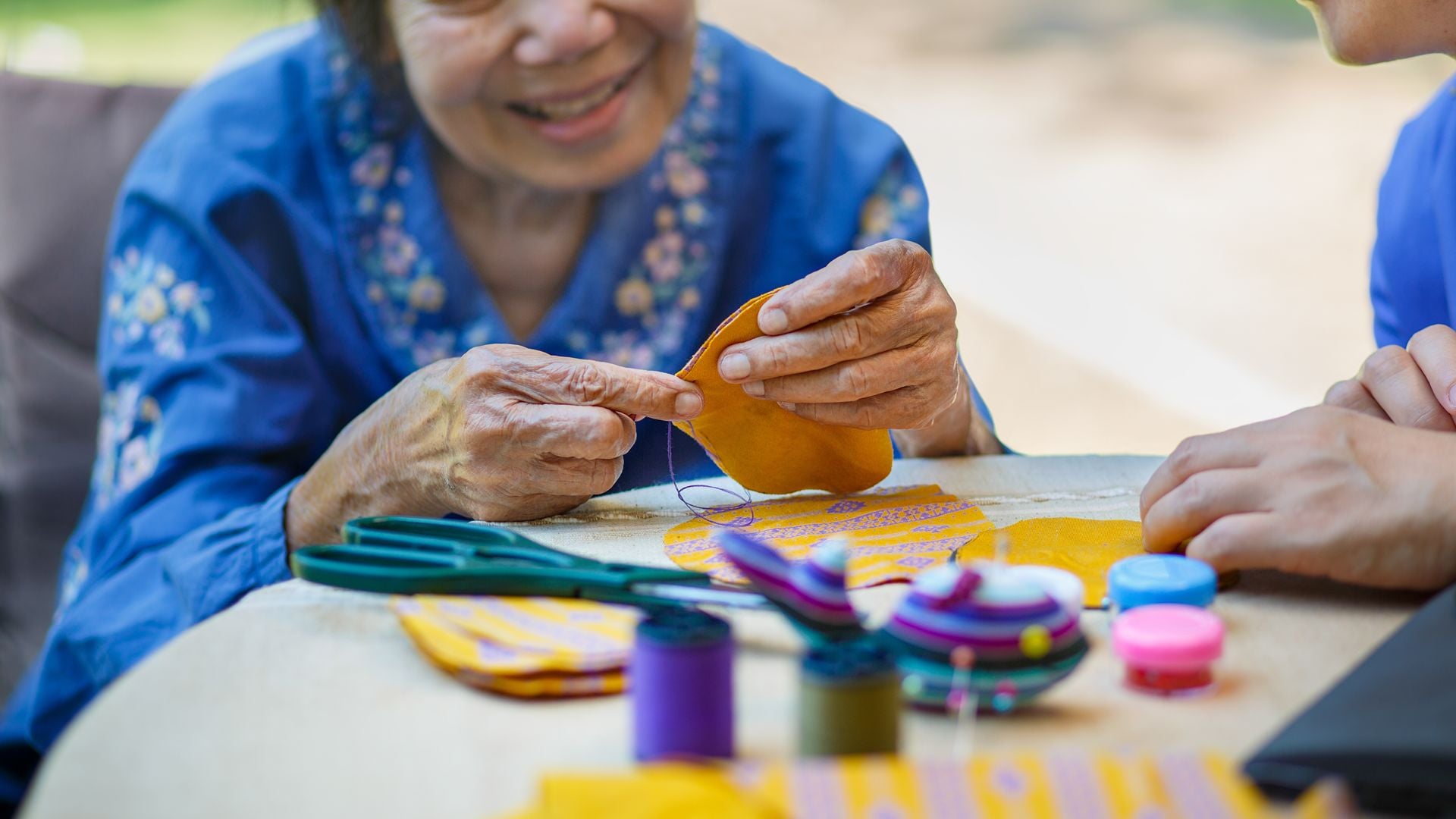
A fall craft can be as simple as creating a leaf collage or decorating a paper pumpkin. Senior living communities may devote time to arts and crafts, with activities assistants choosing projects with a manageable number of steps. Caregivers may also prepare materials ahead of time when needed.
Giving someone a few choices can also help them participate independently. For example, they might choose which colors or decorations they want to use rather than following a set of detailed instructions.
9. Try a Simple Game or Puzzle
Games and puzzles can be adapted to different interests and abilities. Large-piece puzzles, matching games, bingo, sorting activities, or simple word searches may work well for some people.
The important thing is to pay attention to how the person responds. If an activity becomes frustrating, it may be better to switch to something simpler rather than focusing on completing the puzzle or winning the game.
10. Enjoy a Fall Meal or Gathering
A small fall gathering can bring several activities together. Enjoy a favorite seasonal snack or drink, listen to music, decorate the space, or simply spend time talking with other people.
The gathering doesn’t need to be elaborate. Sharing a meal or an afternoon together can provide an opportunity for social connection, which may be just as important as the activity itself.
Make the Most of Fall Together
Seniors with dementia don’t have to be left out of “the autumn of the year.” There are simple yet meaningful activities to help them feel included in seasonal pleasures. Even something as simple as sitting outside on a crisp day, coloring a piece of autumnal decor, or listening to music can contribute to their enjoyment and sense of well-being.
Longhouse Assisted Living Households offers residents opportunities to enjoy the beautiful fall weather through our secure outdoor spaces. Our indoor gathering spaces, including communal meals, also allow residents and their families to enjoy the coziness that fall is known for.
We’ve designed social and activity calendars to help residents express themselves creatively, build bonds with their peers and caregivers, and just have fun. Our caregivers are trained to adapt activities to individual residents’ interests and abilities, making everyday moments part of a meaningful fall season.